Facade painting is not just about color, it is a technical process with clearly defined steps, and a mistake in preparation can force a premature repaint within 2 to 3 years. As the team behind facade painting on dozens of private homes and commercial buildings in Tirana and Durres, we know the final result depends more on surface prep and correct timing than on the paint brand itself.
If you are still deciding on a color palette, our guide to facade paint colors covers that topic in detail. This article focuses purely on the execution process: how to wash, repair, protect, and correctly paint a facade under Albania's climate conditions.
Why surface preparation determines the project's success
A facade is a building's first layer of defense against sun, rain, and wind. That means any defect left untreated before painting, whether a fine crack or a dirty surface, will show through quickly once the paint dries. Unlike interior walls, a facade does not forgive shortcuts in prep because it is exposed daily to weather conditions that accelerate any existing damage.
Proper preparation involves three main stages: fully cleaning the surface, repairing any cracks or structural defects, and applying a suitable primer before the final coat of paint. Skipping any one of these stages is the main reason some facades lose color or start cracking within a few years, even when a premium paint was used.
Pressure washing: the mandatory first step
Before any facade painting job, the surface must be pressure washed to remove dust, moss, algae, and urban grime built up over years. This is not an optional step. New paint cannot bond well over a layer of dust or moss, and without prior washing, adhesion weakens significantly within the first few months.
Water pressure needs to be adjusted to the condition of the plaster. Old or weakened plaster needs lower pressure to avoid damaging the existing layer, while strong new plaster can handle higher pressure to remove deeply embedded grime. North-facing areas, where moisture lingers longest, usually carry more moss and need extra passes with the pressure washer.
After washing, the facade must dry completely, usually 24 to 48 hours under normal conditions, before moving on to crack repair or priming. Painting over a damp surface blocks the wall's natural evaporation and increases the risk of the new paint layer blistering.
Repairing cracks before painting
Every crack, no matter how small, must be treated before painting proceeds. If a crack is left uncovered, water seeps in after the first rains and accelerates damage from the inside, causing even the best paint to peel within 1 to 2 years. For full detail on repair techniques, see our guide to wall and ceiling crack repair, which covers everything from surface cracks to structural ones.
In general, fine cracks are treated with elastic filler suited for exterior use, while deeper cracks need to be opened up with a grinder first, cleaned, and filled with appropriate material before final filling. In all cases, the repaired area needs to be sanded smooth and primed so it does not stand out from the rest of the facade once the paint is applied.
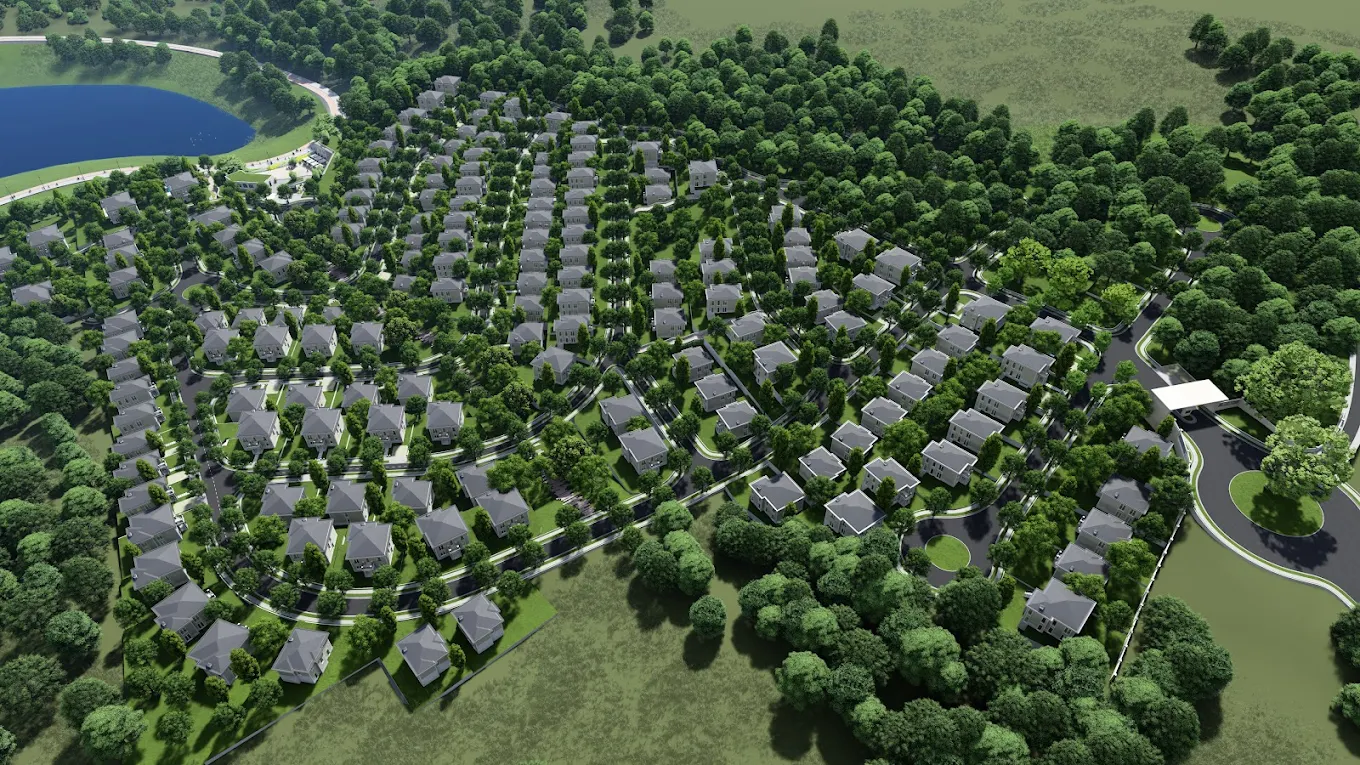 A facade project completed by Torra Gips with full surface preparation before painting
Elastomeric paint systems for facades
Elastomeric paints are among the most effective solutions for facades in Albania's climate because they form a flexible film that expands and contracts along with small wall movements without cracking. This property makes them especially suited to older buildings with plaster that already has slight structural movement, as well as areas with large temperature swings between day and night.
Per the technical definition of elastomeric coatings, these paints have a much higher elasticity percentage than standard acrylic paints, which lets them bridge microscopic cracks up to 1 to 2 millimeters wide without needing extra filler. In coastal areas like Durres, where humidity and salt air speed up surface degradation, elastomeric systems offer extra protection against water penetration while still letting moisture evaporate from inside the wall.
At Torra Gips we work with the elastomeric and silicone lines from Dulux, Jotun, and Caparol, chosen based on the building's orientation, plaster condition, and exposure to coastal air. We assess these conditions precisely during a free on-site consultation, where our team checks every problem area on the facade before recommending the right paint system.
How many coats are needed and how long between them?
The standard for facade painting is 2 coats, applied after a preliminary coat of primer. When moving from a dark color to a light one, or when the plaster absorbs paint unevenly, a third coat may be needed to ensure uniform coverage.
Between coats, standard drying time is 4 to 6 hours under normal weather, with temperatures between 15 and 25 degrees Celsius and relative humidity under 70 percent. On humid days or at lower temperatures, this time can double. Applying the second coat before the first has fully dried causes adhesion problems and wrinkling in the paint layer, so respecting drying time is a core part of the process, not just a practical tip.
Scaffolding and access for multi-story buildings
For buildings over 2 to 3 stories, scaffolding is a mandatory part of the project and needs to be planned from the start, not treated as an unexpected extra cost. Setting up and taking down scaffolding often takes 20 to 30 percent of the total project time on tall buildings, and it needs to be coordinated with weather conditions since scaffolding work stops in strong wind or rain.
For private homes with one or two floors, a mobile platform or a small modular scaffold is often enough, which significantly cuts costs compared to a multi-story commercial building. Securing the scaffolding, including protective netting and correct anchoring to the wall, is a critical safety element and should always be handled by experienced crews, especially on projects like Green Coast Resort or Lion Park where building height and facade complexity require detailed planning.
Tirana and Durres climate: how it affects facade work
Albania's climate presents two main challenges for facade painting: intense inland summer heat and coastal humidity in Durres and along the shoreline. In Tirana, summer temperatures above 30 degrees make south-facing wall surfaces heat up noticeably more than the surrounding air, which dries paint too fast and prevents proper bonding between layers.
In Durres, air loaded with humidity and sea salt speeds up moss and algae growth on facades, especially in areas shielded from direct sun. This is why we always recommend silicone or elastomeric systems for projects near the coast, since these formulas resist moisture penetration far better than standard acrylic paints.
What is the best time of year to paint a facade?
The ideal window for facade painting in Albania runs from late April through early October, avoiding the hottest weeks of July and August when midday temperatures often exceed 35 degrees. Within that window, the best hours of the day for application are early morning, before 11 AM, or late afternoon, after 5 PM, when the wall surface is not under direct sun and its temperature stays more stable.
How often should a facade be repainted in Albania?
Facades in Tirana and Durres typically need repainting every 6 to 8 years, depending on sun exposure and coastal air. Premium silicone or elastomeric systems can push that interval toward the upper end, while facades with direct southern exposure or those near the sea tend to need repainting a bit sooner due to the combined effect of UV and humidity.
An annual facade check, especially after winter, helps catch new cracks or moss patches before they become a serious problem. Treating these defects early extends the life of the existing paint layer and delays the need for a full repaint.
Facade painting checklist
- Assess the plaster's condition and identify all cracks, moss patches, and weak spots before starting.
- Pressure wash the facade and let it dry fully for 24 to 48 hours before the next steps.
- Repair every crack with elastic filler suited for exterior use.
- Apply primer suited to the type of plaster before the final coat.
- Choose the paint system (acrylic, silicone, or elastomeric) based on exposure and humidity.
- Plan scaffolding from the first stage if the building is over 2 to 3 stories.
- Apply 2 coats of paint with enough drying time between them.
- Work during the right hours of the day, avoiding direct midday heat in summer.
Why choose Torra Gips for your facade painting
With experience across more than 100 projects in Tirana and Durres, our team knows the specific challenges of every stage of facade painting, from pressure washing old plaster to setting up scaffolding on multi-story commercial buildings like Vlora International Airport and Green Coast Resort. We work exclusively with certified brands like Dulux, Jotun, and Caparol, and we offer a free on-site consultation where we assess your facade's actual condition before recommending the right paint system and a transparent quote.
Ready to start your facade painting project? Contact us or message us directly on WhatsApp at +355 68 858 0058 for a free assessment and a clear work plan within 24 hours.
Read also
- Exterior Facade Paint Colors 2026: 7 Shades That Last - how to choose the right palette
- Wall and Ceiling Crack Repair Guide - treating cracks before painting
- How to Prepare Walls for Painting - surface prep principles