Choosing the right contractor is the single decision that determines whether your renovation budget turns into lasting quality or into repeated repairs down the line. Before you sign anything, it helps to understand what separates a professional operation covering gypsum works, wall plastering and painting from a crew that disappears after the first payment. This guide collects the concrete checks worth making before you hire, the questions worth asking out loud, and the warning signs that should make you walk away.
Why licensing and business registration come first
Before discussing design or price, confirm the company legally exists. In Albania, every legitimate business carries a NIPT (tax identification number) registered with the National Business Center (QKB). Ask for it and verify it online; if a company cannot produce one immediately, or its registration is only a few months old with no track record, treat that as a reason to dig further.
Beyond legal registration, ask about liability coverage and whether the crew are permanent employees or day laborers assembled for this one job. A general contractor with a stable core team usually delivers more consistency and accountability than someone who pulls together workers project by project. For a high-value or commercial project, you can also ask for proof of tax compliance, which confirms the company is in good standing with the state.
How to evaluate a portfolio and past work
Ask for real photos of completed projects, not 3D renders or stock images pulled from the internet. A trustworthy portfolio includes before and after photos, general location or neighborhood (even without the client's name, for privacy), and at least a few projects similar in size and complexity to yours.
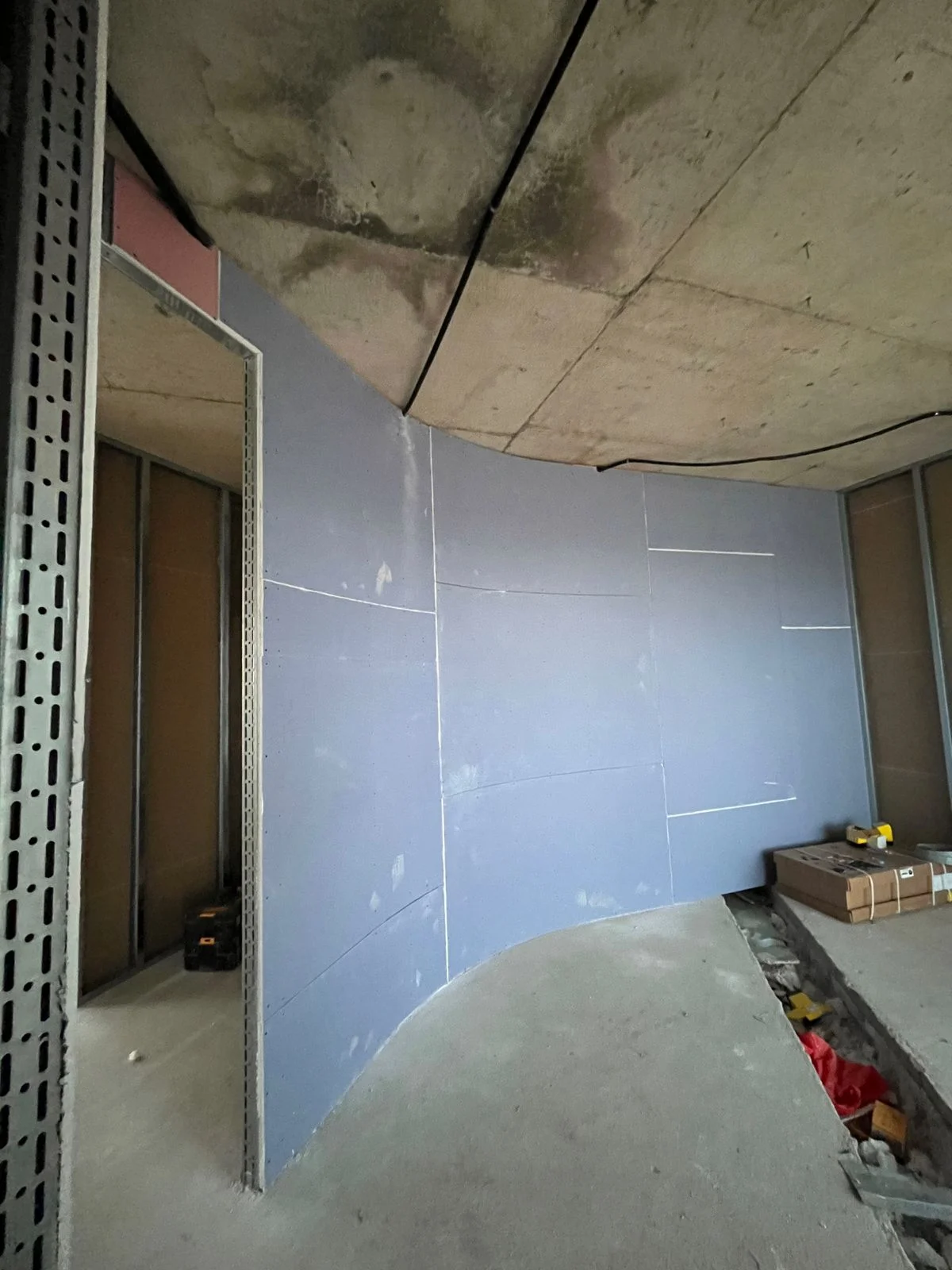 Always ask for clear photos of finished work, not just sketches or renders
Also check longevity: how many years the company has operated and how many similar projects it has delivered in the last 12 months. A company with 3 to 5 years of documented history and dozens of logged projects gives far more confidence than a profile created weeks ago.
Beyond the portfolio a company shows you directly, check independent reviews as well, such as its Google Maps profile or social media. The number of reviews, how consistent they stay over time, and how the company responds to negative comments say far more about its long-term reliability than a handful of hand-picked photos in a brochure.
Why references matter more than any website
Ask for at least 3 references from past clients and contact them yourself rather than relying on testimonials written by the contractor. The most useful questions to ask a reference: Did the project finish within the promised timeline? Did it stay within the original budget, or did costs creep upward? Did the contractor come back to fix problems after handover?
If a contractor hesitates or refuses to share reference contacts, treat that as a serious warning sign, not just a minor gap in organization.
What questions should you ask before hiring a contractor?
Ask every candidate the same set of questions so you can compare answers directly: how long the project will take, which material brands will be used, who handles debris removal, and what happens if hidden problems, such as damp behind a wall, surface once work begins.
Additional questions worth asking: who will be your point of contact during the project, how many workers will be on site each day, and what warranty applies after completion and for how long. Vague or evasive answers to these questions reveal more than any marketing brochure.
How to compare quotes without focusing only on price
Get quotes from at least 3 different contractors before deciding. The table below summarizes the price ranges in the Albanian market that you should use as a benchmark when comparing quotes:
| Service | Indicative price (Lek/m²) | |---|---| | Gypsum works | 1,500 - 3,500 | | Wall plastering | 800 - 2,000 | | Interior painting | 500 - 1,500 |
The final price within these ranges depends on design complexity, the number of levels or curves involved, and the quality of the chosen materials. If a quote sits well below these ranges, ask why: it often means cheaper materials, a less qualified crew, or measurements that were rushed and will surface as extra costs later.
Insist that every quote is itemized by line (m² of gypsum, m² of plastering, m² of painting, materials, labor) rather than a single lump figure. This lets you compare like for like and understand exactly what you are paying for. For a broader look at financial planning, our renovation budget planning guide explains how to split a total budget across phases.
Should the contractor visit the site before giving you a price?
Yes. Any serious contractor should visit and measure the space in person before giving a final price, because only an on-site visit reveals details such as the real ceiling height, the condition of existing walls, access to the building, and hidden obstacles like old wiring behind the walls. A quote given only over the phone or by email, with no site visit, usually changes noticeably once work actually begins.
During the visit, watch how the contractor behaves: do they measure carefully, ask specific questions about how you use the space, and photograph the current condition for documentation before starting? These details reveal the level of professionalism long before work actually begins. Also ask the contractor to walk you through the sequence of the work, since gypsum, plastering and painting follow a set order that determines the total length of the project, as we explain in detail in interior construction phases: gypsum, plastering, painting.
What should a written contract include?
Never start work without a written contract, no matter how small the project. A complete contract should specify at minimum: a detailed description of the work and the surface areas in m², the material brands to be used, the total price and payment schedule (for example 30 percent deposit, 40 percent mid-project, 30 percent on handover), the start date and completion deadline, and the warranty terms after delivery. As a general guideline in the Albanian market, look for a warranty of at least 12 months on painting work and up to 24 months on structural gypsum work such as partitions and suspended ceilings.
Always add a clause covering change orders. Any addition or change compared to the original quote should be confirmed in writing, with a new price, before it is carried out. This protects both sides from misunderstandings and disputes over extra charges. Ask that a copy of the representative's ID and the company's NIPT be attached to the contract as well, so the document is legally enforceable in case of a dispute.
What warning signs should make you walk away?
Several behaviors are clear signals that a contractor is not trustworthy: a demand for 100 percent payment before work starts, refusal to sign a written contract, pressure to decide within 24 hours because of a "limited offer," prices 30 to 40 percent below the market average with no explanation, and no verifiable address or office.
Other signs worth watching for: the crew changes frequently during the project, there are no photos from prior work, communication happens only through a personal phone number with no other online presence, or the contractor insists on verbal promises only, with nothing in writing, even for simple details like the start date. No single sign is automatically disqualifying, but two or more together should make you stop and look for an alternative.
What does a trustworthy contractor look like in practice?
Verifiable licensing, a documented portfolio, checkable references and a clear contract are not abstract theory, they are daily practice for any serious company. Torra Gips, founded in 2020, has completed over 100 projects in Tirana and Durrës, including work at Vlora International Airport, Green Coast Resort, Rolling Hills and the Lion Park commercial center. We work with certified Knauf and Rigips materials for gypsum works, and Dulux, Jotun and Caparol for painting, exactly the kind of named brands you should expect from any serious contractor.
 The same quality standard applies to commercial and residential projects alike
Whichever company you choose, look for the same level of transparency: documented history, recognized material brands, and a willingness to visit the site before giving a final price. If your project involves gypsum works, wall plastering or painting, always compare at least three quotes using the criteria above.
Read also
- Apartment renovation guide covering the main steps of a full project
- How long does apartment renovation take to plan realistic timelines
Ready to start your project?
If you are evaluating contractors for your next renovation, we offer a free on-site consultation and measurement, with transparent pricing and no pressure to decide on the spot. Contact us today or message us on WhatsApp at +355 68 858 0058 to discuss next steps and get a detailed quote for your project.